 Vienintelis priklausomas tinklalapis Lietuvoje
Londono ekonomikos universitetas reikalauja, kad BBC pirmadienį nerodytų dokumentinės programos apie Šiaurės Korėją, nes žurnalistas ją nufilmavo slapta apsimetęs universiteto studentu.
Londono ekonomikos universitetas skelbia, kad žurnalistas Johnas Sweeney ir dar du BBC darbuotojai su doktorantūros studentais nuvyko į Šiaurės Korėją ir ten slapta filmavo. Pasak aukštosios mokyklos, studentams buvo suteikta nepakankamai informacijos, kad jie suvoktų tikrąją situaciją, bet pakankamai informacijos, kuri būtų juos įstūmusi į pavojų, jei apgavystė būtų išaiškėjus jiems dar būnant Šiaurės Korėjoje.
BBC generalinis direktorius Tony Hallas atmetė prašymą netransliuoti dokumentinės programos, bet atsiprašė, kad buvo pasinaudota Londono ekonomikos universiteto geru vardu. BBC tvirtina, jog informavo studentus apie kartu su jais vyksiantį žurnalistą ir jiems gresiantį pavojų. Pasak BBC atstovo, studentams prieš kelionę buvo dar kartą priminta apie pavojų ir jie galėjo nuspręsti, ar vis tiek vykti į Šiaurės Korėją.
Aukštoji mokykla tvirtina, kad dėl BBC poelgio galėjo nukentėti jos reputacija ir ji gali susidurti su sunkumais ateityje jos studentams ir darbuotojams bandant išvykti į Šiaurės Korėją ir kitas šalis, kurios įtariai vertina nepriklausomus akademinius tyrimus.
Naujausi
 Vokietija atveria naftos atsargas, karo kainą jaučia ir Europos ekonomikaUžsienis · 2026-10-11
 Europa už rusiškas dujas sumokėjo beveik 8 milijardus eurųUžsienis · 2026-10-11
 Pietų Korėjos ir Ukrainos ginčas pasiekė ambasadoriaus atšaukimąUžsienis · 2026-10-11
 Londone ketvirtis milijono žmonių reikalavo sankcijų IzraeliuiUžsienis · 2026-10-10
Naujausi
 Vokietija atveria naftos atsargas, karo kainą jaučia ir Europos ekonomika
 Europa už rusiškas dujas sumokėjo beveik 8 milijardus eurų
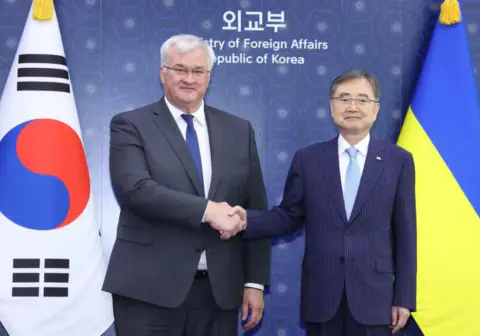 Pietų Korėjos ir Ukrainos ginčas pasiekė ambasadoriaus atšaukimą
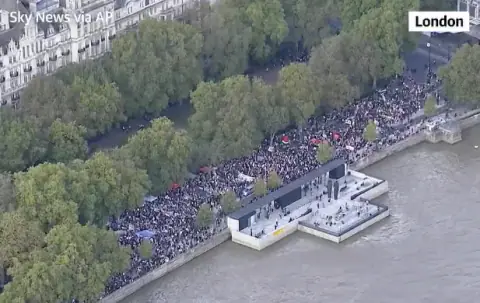 Londone ketvirtis milijono žmonių reikalavo sankcijų Izraeliui
 Meksikoje nužudytas jau devintas šiais metais žurnalistas
 Peru meru išrinktas Hitler Mussolini, rinkimuose nugalėjęs dešiniųjų kandidatą
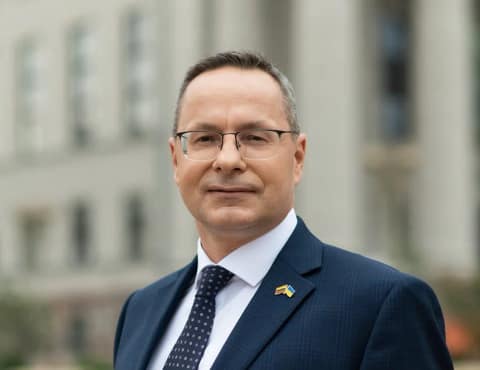 Pavilionis smogė JAV prezidentui: po velnių, kokioj pusėj yra Amerika?5
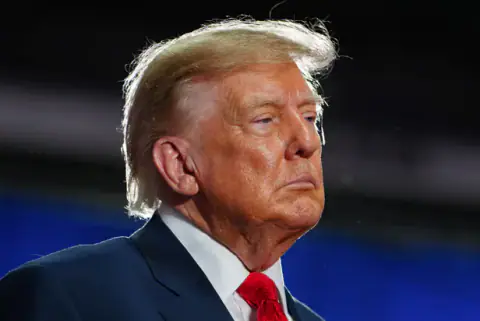 Trump supyko negavęs Nobelio taikos premijos ir perspėjo suįžūlėjusią Norvegiją
 Vatikanas pasmerkė Pentagono sumanymą tiesiogiai transliuoti žmogaus sušaudymą
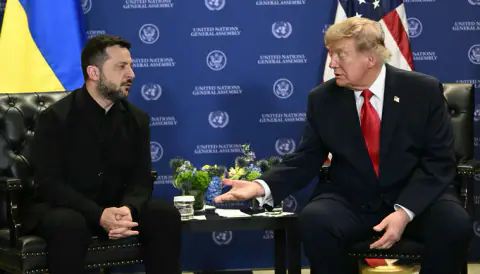 Trump pareikalavo naujo Ukrainos prezidento, kuris sugebėtų susitarti su Rusija1
 Politikos mokslininkas Kojala turi kuprinę ekstremaliam atvejui ir neatmeta galimybės prezidentauti12
 Rusijos grėsmės akivaizdoje svarbu skirti daugiau lėšų visuomenės atsparumui didinti3
 Racionalus, skaidrus ir atskaitingas lėšų įsisavinimas Rusijos atgrasymui – kiekvieno mokesčių mokėtojo ir visuomenės pareiga
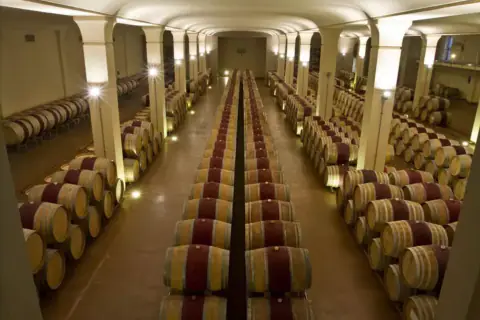 Italijoje įvykdyta didžiausia šalies istorijoje vyno vagystė – pavogta 30 tūkstančių butelių2
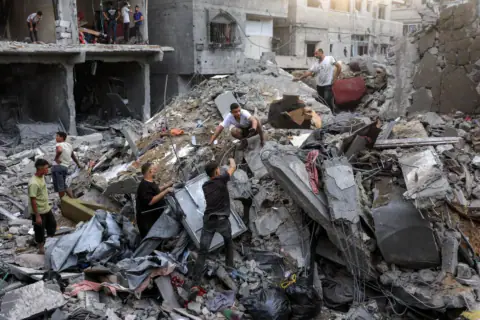 Daugiau kaip 100 tarptautinių organizacijų pareiškė, kad paliaubos Gazos Ruože egzistuoja tik popieriuje
 Gaižausko argumentas dėl Konstitucijos 137 straipsnio naikinimo laikosi tik tol, kol nežiūrima į visą istoriją4
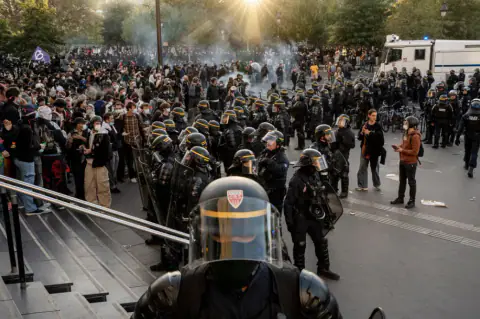 Prancūzijoje dėl švietimo krizės protestuoja moksleiviai, sužeista daugiau kaip 100 mokyklų darbuotojų2
 Valdžia jau dalijasi būsimos JAV karinės bazės Lietuvoje privalumais1
 URM ragina laikytis atokiau nuo Rusijos ar iš jos kuo greičiau sprukti dėl maro ir Ukrainos smūgių3
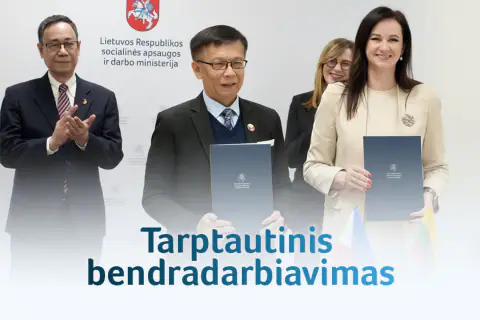 Ruginienė susitarimą dėl darbo imigrantų iš Filipinų vadina istoriniu3
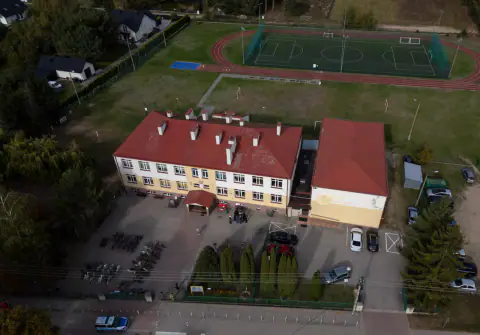 Lenkijoje dėl išpuolių mokyklose policija saugo 10 tūkstančių ugdymo įstaigų2
 JAV investicijų milžinė atsisakė pirkti Rusijos „Lukoil“ turtą2
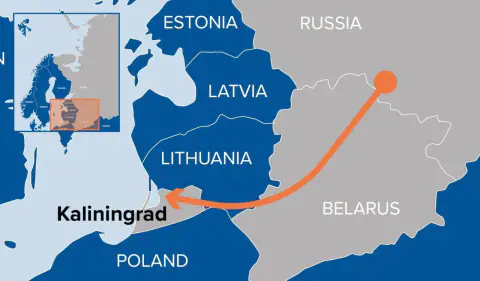 Kaliningradas – vieta, kur Vakarų politinio apsiskaičiavimo kaina gali būti pernelyg didelė6
 Prancūzijos švietimo krizė gilėja nepaisant milijardinio finansavimo1
 Generolo Silvestro Žukausko poligone – „Dronų diena“
 Aplinkos ministerija žada renovacijos paramą mažas pajamas gaunantiems gyventojams2
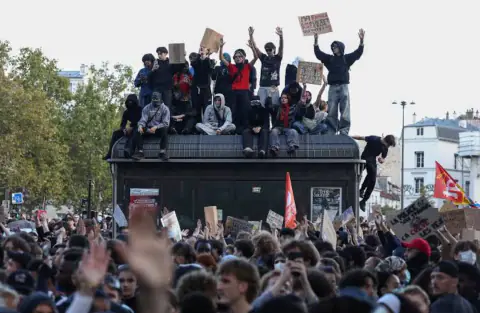 Prancūzijos moksleivių protestai persimeta į kitas Europos šalis
 Lietuvos lūkesčiai dėl maro Rusijoje kol kas nepasiteisino6
 JAV kariuomenė planuoja tiesiogiai transliuoti mirties bausmės vykdymą4
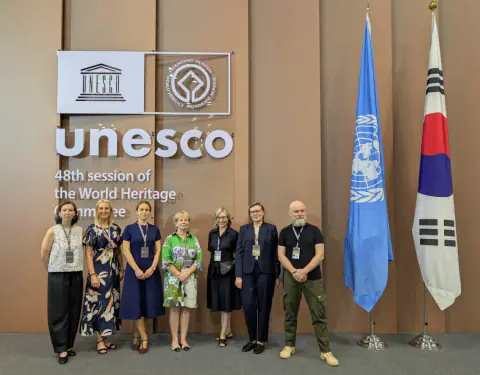 Kultūros ministerija po vizito Paryžiuje džiaugiasi bendradarbiavimo galimybėmis1
 Rusijos pasiūlymas dėl saugumo garantijų nesulaukė Lietuvos valdžios dėmesio2
 Latvijoje už 43 eurus Rusijos kariuomenei skirti šešeri metai kalėjimo3
 NSGK narys Gaižauskas perspėjo gyventojus – prasidėjus karui su Rusija iš Lietuvos nebus kur bėgti8
 Lietuvos kariuomenė stiprina paramą VSAT saugant pasienį su Kaliningrado sritimi4
 Lietuvos bankas paaiškino, kodėl vien SEB veiklos Rusijoje nepakanka poveikio priemonėms Lietuvoje2
 Finansų ministerija skelbia visiškai įgyvendinusi „Naujos kartos Lietuvos“ planą3
 Popovienės ministerija siekia mažinti mokytojų patiriamas patyčias1
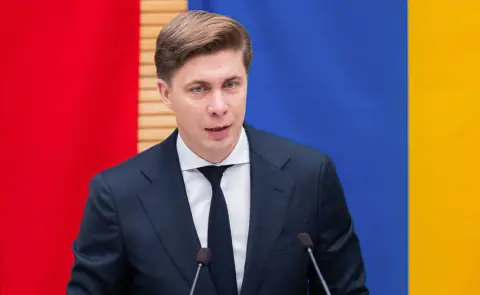 Sinkevičius demonstruoja lyderystę – siūlys ES uždrausti rusiškų grūdų tranzitą4
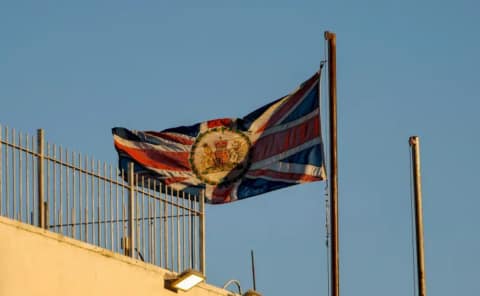 Izraelis uždarinėja britų konsulatą Jeruzalėje, bet neuždarys
 Nemaloni situacija Lietuvai4
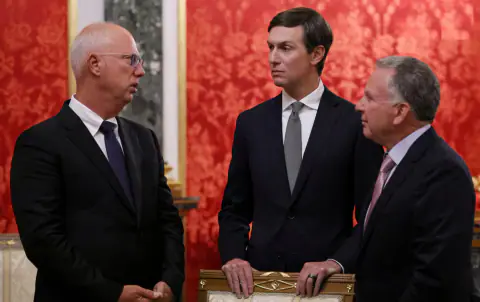 JAV ir Rusijos pareigūnai svarsto galimybę amerikiečių investuotojams dalyvauti rusiškų dujų tiekimo Europai versle5
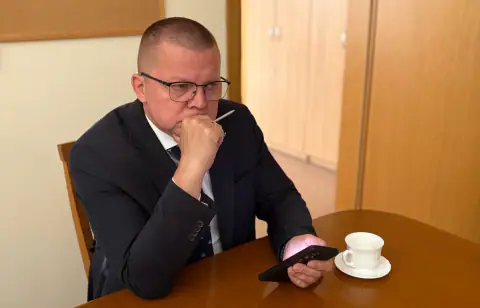 Gaižauskas: tie melai, kurie pasakyti, jie turi būti paneigti, bet paneigti tik faktais28
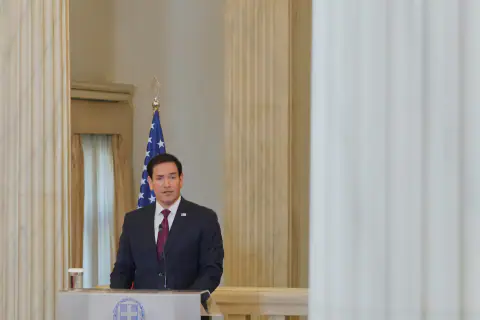 Rubio: Vakarams reikia tapti stipresniems1
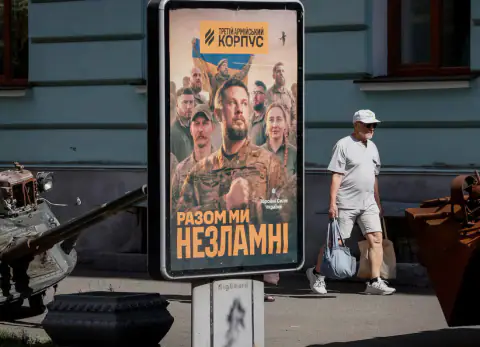 Ukraina jau skolinga per 215 mlrd. dolerių, tačiau kitąmet jai trūksta dar dešimčių milijardų6
 ILTE žada kas mėnesį po 2 300 eurų asmenims, pasirinkusiems karo tarnybą3
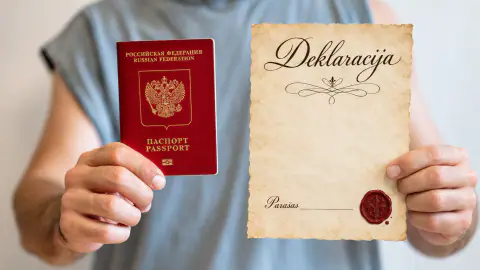 Rusams ir baltarusiams norima įvesti privalomas Rusijos agresijos prieš Ukrainą pasmerkimo deklaracijas7
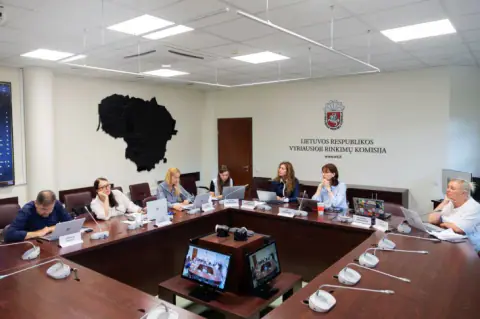 Vyriausioji rinkimų komisija dėl nešališkumo spragų rodo į Seimą2
 Finansų ministerijos „geroji praktika“ tinka ir šalnų, ir liūčių žalai atlyginti
 Finansų ministras Valys: mūsų pareiga – užtikrinti, kad Ukraina turėtų viską, ko reikia tiek pergalei pasiekti, tiek šaliai atstatyti8
 Ispanija ėmė persekioti Anatolijų Šarijų4
 Tauta yra suverenas, bet po rinkimų jos valia tampa neprivaloma8
 TVF perspėja dėl skolų ir brangios energijos, Lietuva tuo metu skolinsis beveik 11 mlrd. eurų2
 Macron: kad būtum laisvas, turi kelti baimę4
 Prancūzijos jaunimas reikalauja 10 mlrd. eurų švietimui – protestai apėmė visą šalį4
 137 Konstitucijos straipsnis trukdo Lietuvos išlikimui ir taikai, bet Tautos niekas neklausia14
 Vokietijos pramonėje – staigus užsakymų kritimas
 Po japonės nužudymo, JAV kariams Okinavoje įvesti griežti ribojimai2
 Naftos telkinys „Nadežda“ prie Kuršių nerijos Aplinkos ministerijai susirūpinimo nekelia2
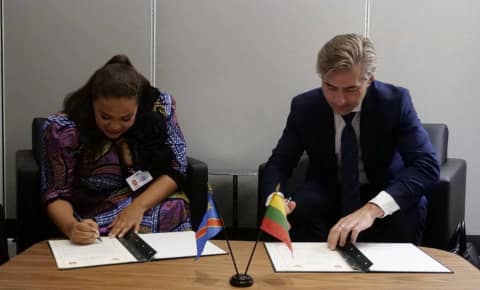 Budrio diplomatinis proveržis atveria Lietuvai naujus horizontus Konge4
 Po Kauno ir Gaižausko apsižodžiavimo Seimo kanceliarija kalba taip, tarsi konflikto nė nebuvo2
 Buvęs Vokietijos žvalgybos vadovas sulaikytas dėl įtarimų šnipinėjimu ir valstybės išdavimu2
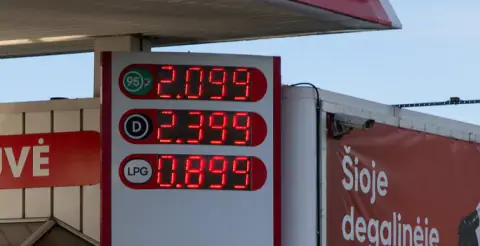 „Nemokestiniai veiksniai“ dyzelino litrą pabrangino 29 centais1
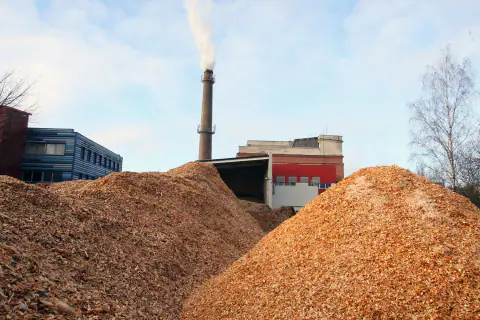 Brangstant biokurui didesnės išlaidos perkeliamos į šilumos kainą
 Ukrainos kariuomenėje klesti homoseksualizmas10
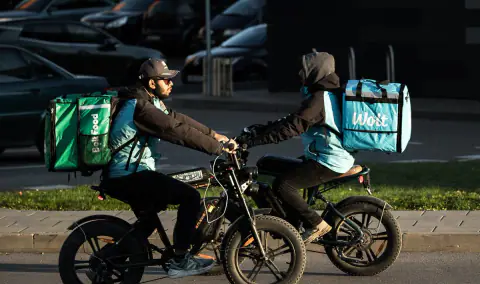 Pavežėjų ir kurjerių darbo taisyklės keičiamos vykdant ES reikalavimą, problemos masto Lietuvoje neištyrus1
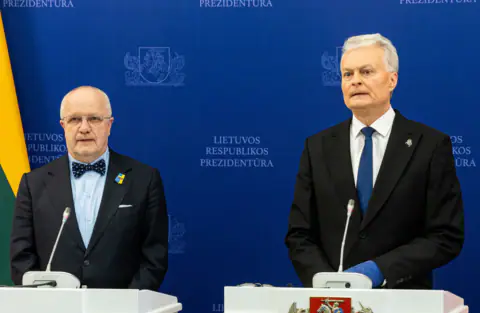 Seimas balsavo, kad iš Konstitucijos būtų panaikintas draudimas masinio naikinimo ginklams ir užsienio karinėms bazėms16
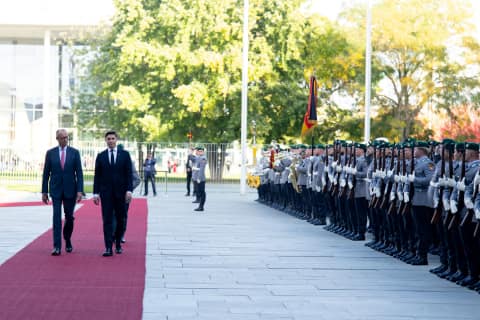 Sinkevičius Berlyne pranešė, kad Vokietijos vaidmuo yra lemiamas Europos saugumui ir apskritai Europos ateičiai5
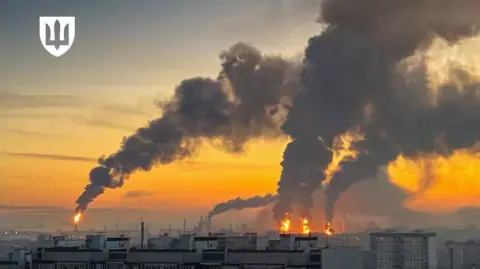 Ukraina skelbia išvedusi iš rikiuotės daugiau kaip pusę Rusijos naftos perdirbimo pajėgumų
 Kvebeko separatistai grįžta į valdžią ir vėl kelia nepriklausomybės klausimą
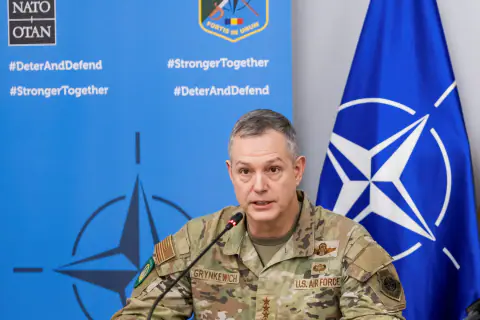 NATO rengia „Pergalės teoriją“ karui su Rusija – remsis dronais ir dirbtiniu intelektu1
 JAV jūrų pėstininkas Japonijoje įtariamas moters nužudymu – Okinavoje vėl kyla protestai2
 Zimmermann: tai bus moderniausios kareivinės, kokias turi mūsų Bundesveras3
 Rumunija tikrina mobilizaciją – rezervistai kviečiami į karinius dalinius1
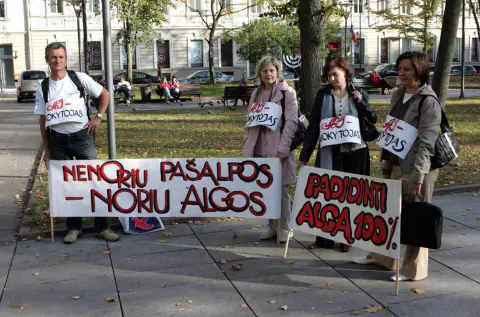 Ministerija neigia lėšų trūkumą, bet švietimo darbuotojų algoms didinti prašo 245 mln. eurų
 LT lyderiai nerimtai žiūri į pasirengimą karui su Rusija, gyventojai – į vakcinavimąsi nuo COVID-191
 Vyriausybė žada geriau numatyti ateitį, bet konkrečių darbų neįvardija
 Vyriausybės kanceliarija įvardijo tik vieną Migracijos komisijos siūlymą
 Pirmoji valstybės ponia susitiko su Lietuvos garbės konsulais Graikijoje2
 Ispanija ėmė persekioti Anatolijų Šarijų4
 Prancūzijoje bręsta švietimo krizė – pirmadienį uždaryta iki 500 mokyklų4
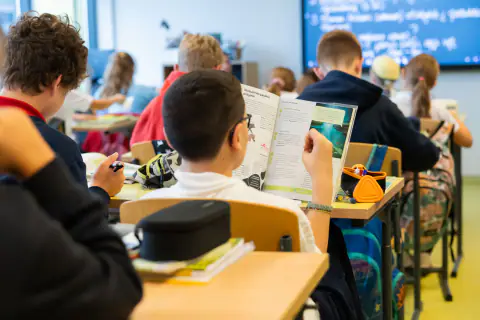 Lietuvių kalbos ir literatūros bendroji programa papildoma ukrainiečių literatūros klasiko Taraso Ševčenkos kūriniais2
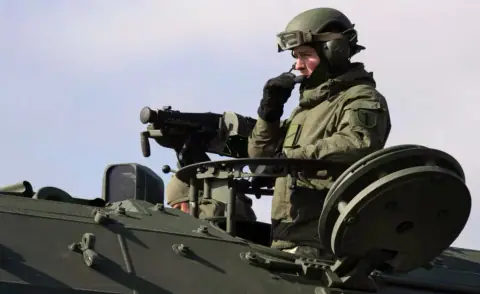 Milijardai gynybai suplanuoti, o kiek trūksta – neaišku7
 JAV demonstruoja savo kolektyvinės gynybos įsipareigojimą Lietuvai4
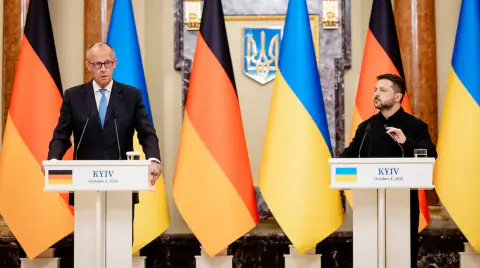 Merz nori spartinti Ukrainos kelią į Europos Sąjungą6
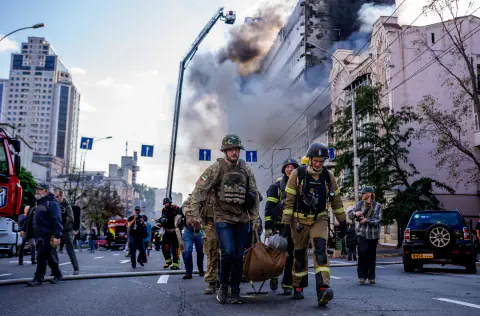 Maskva žada intensyvinti smūgius Ukrainai ir kaltina Zelenskį1
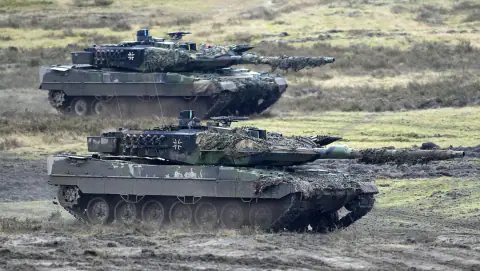 Baltijos tigrai augina karinį svorį – už nugaros jau ir NATO branduolinis skydas2
 Estija keičia karo planą – pagrindinės pajėgos stumiamos arčiau Rusijos sienos2
 Ukraina skelbia smogusi Rusijos energetikai, o JAV bando grąžinti Maskvą ir Kijevą prie derybų1
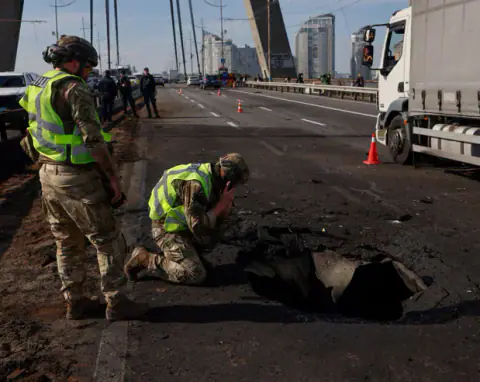 Kijevas vis labiau panašėja į fronto miestą – priešas „drasko miestą“7
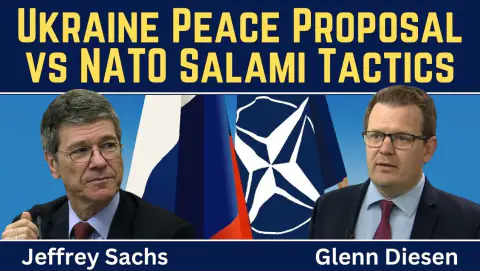 Jeffrey Sachs: kalbu su Europos pareigūnais ir kartais tiesiog matau, jog tai nėra apsimetimas – jie tiesiog nesupranta4
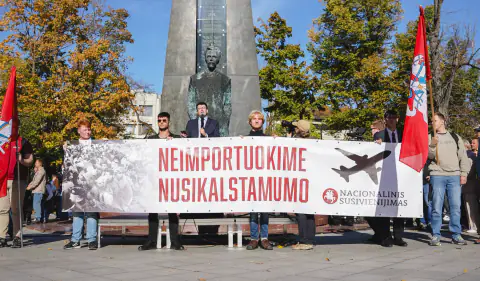 Sinica protestuoja prieš migraciją, o TS-LKD pavardės lieka paraštėse – strateginiais klausimais balsai sutampa8
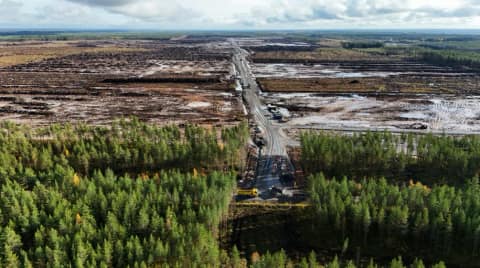 13 mlrd. eurų „Google“ projektą Suomijoje jau lydi tyrimas dėl iškirstų miškų1
 Prancūzijoje į gatves išėjo moksleiviai – protestai apėmė daugiau kaip tūkstantį mokyklų1
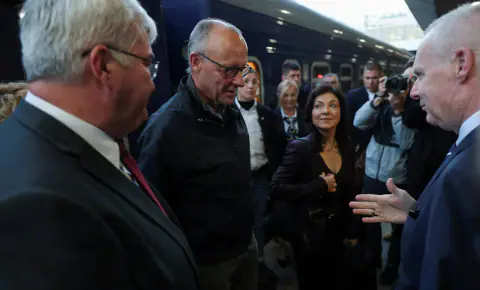 Vokietija su Ukraina gamins daugiau kaip 1000 kilometrų nuotolio ginklus smūgiams Rusijos gilumoje5
 Pirmoji valstybės ponia padėkojo JAV prezidento sutuoktinei3
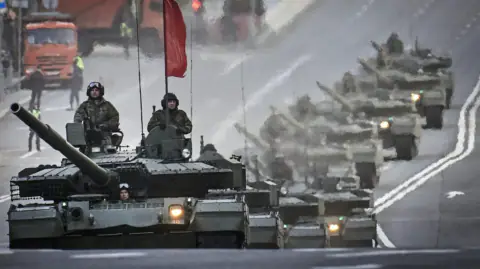 Britai nebetiki, kad šalis pasirengusi Rusijos smūgiui4
 Apklausti Lietuvos gyventojai patvirtino, kad finansiškai jie jaučiasi labai gerai12
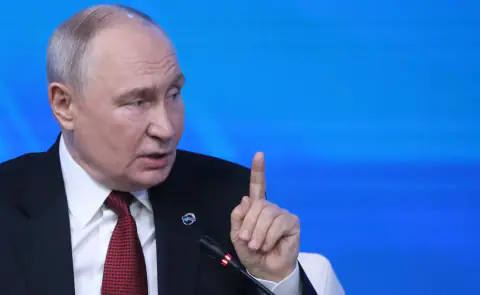 „Newsweek“ įžvelgė pavojingą V. Putino formulę NATO4
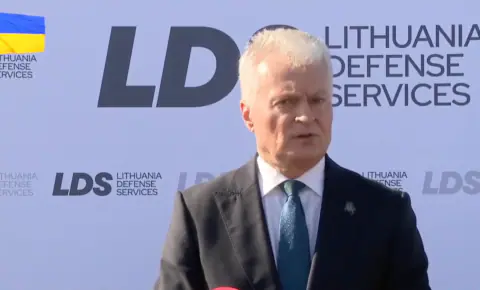 JAV traktuoja Nausėdą kaip labai rimtą ir atsakingą, todėl į Vašingtoną nepakvietė6
 Kauniečiams nusišypsojo laimė – statoma tankų LEOPARD gamykla3
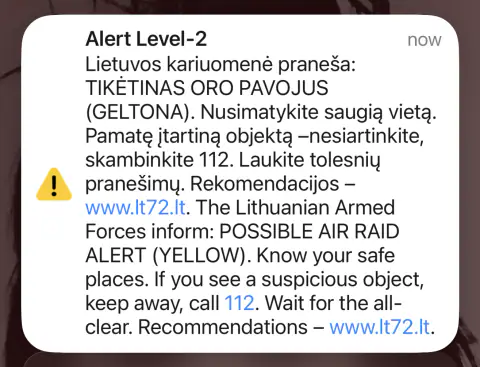 Aukščiausia parengtis dėl grėsmės iš oro. PAPILDYTA: grėsmės neliko, galėjo būti paukščių grupuotė9
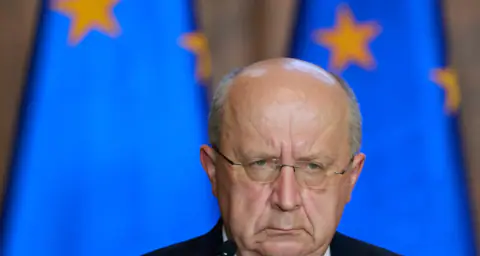 Kubiliui priminta jo vieta: NATO diplomatas pasišaipė iš kalbų apie 5-ąjį straipsnį9
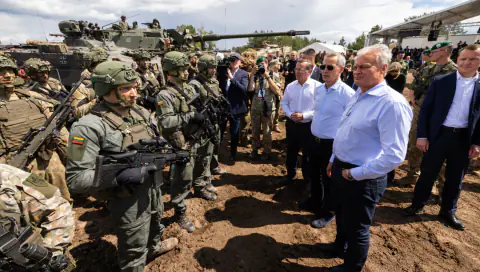 Europa persitvarko karui, Lietuva renkasi vieną griežčiausių kelių2
 Vokietija, padedant Lietuvai, imasi istorinės karinės lyderystės Europje – Rusija perspėta4
 Trump įvertino JAV misijos Irake pabaigą – tai Amerikos pergalė
 Jaunimui nuo pareigos išsisukti nepavyks – Lietuva artėja prie visuotinio šaukimo
 JAV pareikalavo – Europa pakluso ir atveria dyzelino atsargas2
 Kauno kalėjimo pertvarka supriešino ministrę ir Kalėjimų tarnybos vadovą1
 Eduardas Vaitkus apklaustas atnaujintame ikiteisminiame tyrime dėl veikimo prieš Lietuvą20
 ES atsisakė skubinti paskolos Ukrainai išmokėjimą – pirmiausia reikalauja reformų2
 Nausėda „Instagram“ tinkle paviešino susitikimo su Trump detales3
 NKSC nežino, kokiam skaičiui Lietuvos gamintojų taikomos naujos kibernetinio saugumo pareigos
 Seimo nariai siekia, kad neištremti tremtiniai turėtų tremtinio statusą4
 Milijoninė rizika Šiaulių biudžetui – savivaldybė aiškintis neskuba1
 Susitarimas su „Mach Industries“ – galimai labiau viešųjų ryšių akcija nei konkretūs įsipareigojimai
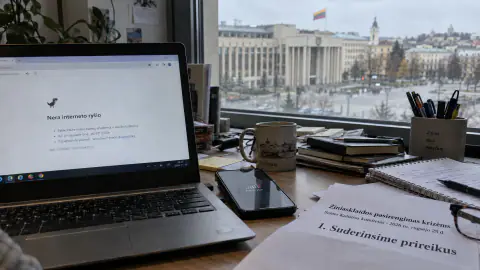 Ryšiui nutrūkus informavimo tvarką su redakcijomis derintų „pagal situacijos poreikius“1
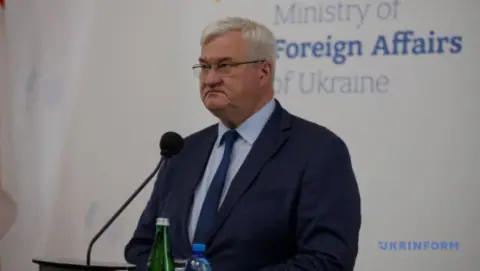 Ukraina perspėjo: Rusija ruošiasi pulti Europos Sąjungos valstybes8
 JAV telkia dar daugiau karinės galios aplink Iraną
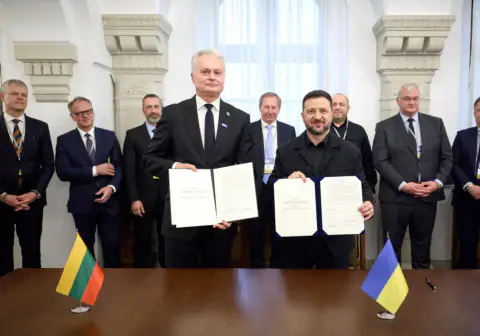 Ukraina jau naudoja savo balistinę raketą, Lietuva stiprina jos gynybos pramonę1
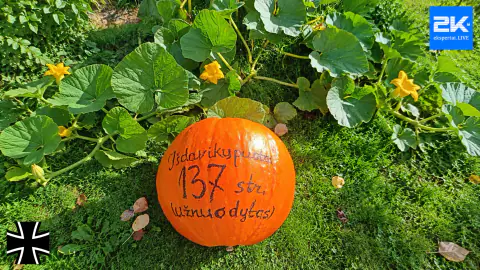 Net tautinės valstybės sargas, radikalas Sinica stojo į 137 Konstitucijos str. naikintojų gretas4
Komentarai (1)
London school of economic yra sorošistų perykla:) tegul verčiau patyli. nes.. Latvia’s Economic Disaster as a Neoliberal Success Story: A Model for Europe and the US? January 3, 2013 By Michael by Jeffrey Sommers and Michael Hudson A generation ago the Chicago Boys and their financial supporters applauded General Pinochet’s anti-labor Chile as a success story, thanks mainly to its transformation of their Social Security into Employee Stock Ownership Plans (ESOPs) that almost universally were looted by the employer grupos by the end of the 1970s. In the last decade, the Bush Administration, seeking a Trojan Horse to privatize Social Security in the United States, applauded Chile’s disastrous privatization of pension accounts (turning many over to US financial institutions) even as that nation’s voters rejected the Pinochetistas largely out of anger at the vast pension rip-off by high finance. Today’s most highly celebrated anti-labor success story is Latvia. Latvia is portrayed as the country where labor did not fight back, but simply emigrated politely and quietly. No general strikes, nor destruction of private property or violence, Latvia is presented as a country where labor had the good sense to not make a fuss when faced with austerity. Latvians gave up protest and simply began voting with their backsides (emigration) as the economy shrank, wage levels were scaled down, and where tax burdens remained decidedly on the backs of labor, even though recent token efforts have been made to increase taxes on real estate. The World Bank applauds Latvia and its Baltic neighbors by placing them high on its list of “business friendly” economies, even though at times scolding their social regimes as even too harsh for the Victorian tastes of the international financial institutions. Can this really be a model for the United States or Europe’s remaining social democracies? Or is it simply a cruel experiment that cannot readily be emulated in larger countries un-traumatized by Soviet era memories of occupation? One can only dream … toliau: /michael-hudson.com/2013/01/latvias-economic-disaster-as-a-neoliberal-success-story-a-model-for-europe-and-the-us/